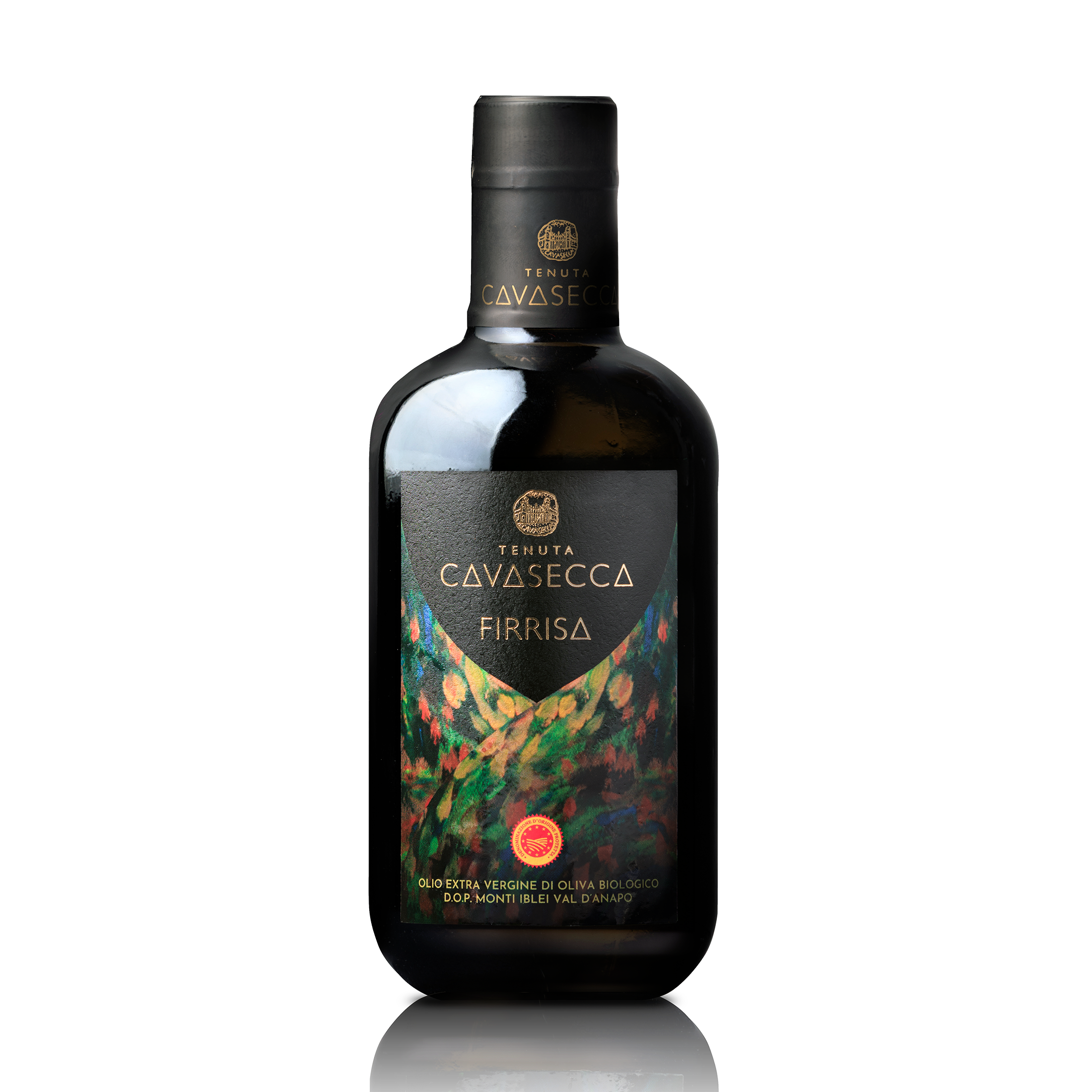

Extra virgin olive oil is rich in polyphenols, antioxidants, and unique properties for your health and the planet. Discover why it's an irreplaceable ally for your daily well-being.
Extra Virgin Olive Oil: A Treasure of Health and Nutrition
Extra virgin olive oil (EVOO) is much more than a simple condiment: it is a true ally for our health, a fundamental ingredient of the Mediterranean diet, distinguished by its nutritional properties, its wellness benefits, and its essential role in the prevention of numerous diseases. In this article, we will explore the reasons why EVOO is considered a superfood and the importance of choosing a high-quality, organic product.
1. Rich in antioxidants: Contains antioxidant compounds that help fight free radicals in the body, helping to reduce the risk of chronic diseases.
2. Cardiovascular health: It is associated with a reduced risk of heart disease thanks to to its ability to improve cholesterol levels and reduce inflammation
3. Anti-inflammatory properties: Antioxidants present in extra virgin olive oil such as oleocanthal, have anti-inflammatory effects similar to those of ibuprofen.
4. Support brain health: Some studies suggest that extra virgin olive oil may have positive effects on brain health and may help prevent diseases neurodegenerative diseases such as Alzheimer's.
5. Weight Control: It can help maintain a healthy weight, as it is a healthy fat that may increase the feeling of satiety.
6. Benefits for the skin: It is also often used in cosmetics for its hydrating and nourishing properties.
Incorporating extra virgin olive oil into your diet can therefore be an excellent way to improve overall health!

Extra Virgin Olive Oil vs. Butter: Why Choose Vegetable Fat?
When it comes to choosing the fats to use in our daily diet, the The choice between extra virgin olive oil and butter is a topic of great interest. Both They have their uses in the kitchen, but extra virgin olive oil offers some significant benefits that make it a preferable choice for many.
1. Fat Composition:
Extra virgin olive oil is rich in monounsaturated fatty acids, particularly oleic acid, which is known for its beneficial effects on cardiovascular health. These fats can help reduce LDL (the "bad" cholesterol) and increase HDL (the "good" cholesterol). In contrast, butter contains a higher amount of saturated fat, which, if Consumed in excess, they can contribute to health problems such as heart disease. EVOO also contains vitamin E, a powerful antioxidant that protects cells from damage caused by free radicals, helping slow the aging process. It also contains small amounts of vitamin K, which is beneficial for bone health and blood clotting.
2. Antioxidants and Nutrients:
Extra virgin olive oil is also an excellent source of antioxidants, such as vitamin And polyphenols, which can help fight inflammation and protect cells from oxidative damage. These compounds are associated with a number of health benefits, including reducing the risk of chronic diseases. Butter, while containing some vitamins fat-soluble, does not offer the same level of antioxidants.
3. Health Effects:
Scientific studies have shown that regular use of extra virgin olive oil is associated with a longer life and a lower incidence of diseases such as type 2 diabetes and cardiovascular disease. The Mediterranean diet, which includes abundant amounts of olive oil Olive oil has been linked to a number of health benefits. On the other hand, excessive consumption of butter and saturated fats has been associated with an increased risk of heart disease. cardiac.
4. Advantages in the Kitchen:
Extra virgin olive oil has a higher smoke point than butter, which makes it more Suitable for high-temperature cooking. And the great thing is that, even when you heat it, the healthy fats and antioxidants remain there doing their job.
5. Environmental Impact:
Finally, considering environmental impact is increasingly important. Olive oil production, while not without its challenges, tends to have a lower ecological footprint than raising animals for butter production. Choosing vegetable fats like olive oil olive oil can contribute to a more sustainable diet.
Polyphenols: the heart of the benefits
What makes extra virgin olive oil truly unique are its polyphenols, bioactive compounds that play a crucial role in protecting our bodies. These natural antioxidants fight oxidative stress, reduce inflammation, and help prevent chronic diseases such as cardiovascular disease, type 2 diabetes, and certain cancers.
According to numerous studies, regular intake of polyphenol-rich EVOO is associated with improved cognitive function and greater protection against age-related neurological decline.
Why choose organic extra virgin olive oil?
Choosing an organic extra virgin olive oil isn't just a matter of quality, but also of sustainability. Organic farming ensures olives are grown without the use of pesticides or chemical fertilizers, respecting the environment and preserving biodiversity.
High-quality organic olive oil also tends to be richer in polyphenols, thanks to cultivation and production methods that prioritize plant and soil health. Furthermore, choosing organic products supports small, local producers, often custodians of ancient agricultural traditions.
Conclusion
Extra virgin olive oil is not only a symbol of our culture, but also a health elixir that should be present in every kitchen. Choosing an organic product rich in polyphenols means taking care of your body and supporting environmentally friendly agriculture.
Incorporating EVOO into your daily diet is a simple yet effective way to improve your quality of life, rediscovering the value of an authentic, natural ingredient.
Why choose DOP extra virgin olive oil?
The DOP certification, which stands for Protected Designation of Origin, is one of the most significant quality marks in the agri-food sector.
This label is awarded to food products that are strongly linked to their territory of origin and which respect strict production standards. The DOP offers to consumers the certainty of purchasing authentic and high-quality products, as well as carrying out a fundamental role in safeguarding the cultural and traditional heritage of a region or of a country. It is not just a simple "stamp": it represents the proof of the origin of a product, its link with the cultural and climatic traditions of an area specifies, and tells its story.
To obtain DOP certification, a product must meet a series of specific criteria. First of all, it must be produced, processed, and manufactured in a well-defined geographical area. This connection to the territory is essential, as the specific climatic conditions of that region significantly influence the final result.
This means that the product could not be replicated elsewhere with the same flavor, same organoleptic properties, and same quality. Furthermore, every stage of production
must take place within this specific area, thus ensuring product authenticity.
A fundamental element also concerns the traditional processing techniques: the procedures and knowledge handed down over time must be preserved and used in production.
This aspect of the DOP certification not only protects local traditions, but also allows for the preservation of the region's cultural heritage. At the same time, it guarantees a high quality level of the product, keeping alive the links with its origin and preserving the taste, aroma and appearance that make it unique.
Finally, DOP certification requires rigorous, independent checks carried out by certification bodies accredited by the competent Ministry. These checks are designed to ensure compliance with production rules and procedures, offering consumers consumers the certainty of an authentic, high-quality product.
Why choose Slow Food Presidium extra virgin olive oil?
Choosing a Slow Food Presidium extra virgin olive oil means choosing quality, sustainability, and respect for local traditions. This type of oil represents much more than a simple condiment: it is the fruit of artisanal work, sustainable agricultural practices and of active protection of biodiversity.
Here are the main reasons to prefer it:
1. Quality Guaranteed:
The Slow Food Presidium extra virgin olive oil is produced respecting high standards of quality. The olives are harvested at the right time and processed using traditional methods that they preserve the taste, aroma and nutritional properties of the oil.
2. Protection of biodiversity:
Slow Food Presidia are committed to protecting native olive varieties that are often at risk of extinction, contributing to the safeguarding of a unique and irreplaceable heritage for the future generations.
3. Respect for the environment:
Production follows sustainable agricultural practices, avoiding the use of chemical pesticides or fertilizers that are harmful to the ecosystem. This reduces the environmental impact and helps maintain the balance of the territory.
4. Promotion of local traditions:
Each Slow Food Presidium is committed to protecting and promoting cultivation methods and processes that belong to the local culture, often handed down for generations. By choosing a Slow Food Presidium oil, you contribute to keeping these traditions alive and support producer communities.
5. Food safety:
The entire production chain is subject to rigorous controls to guarantee an authentic, traceable product free from adulteration or fraud.
6. Support for small producers:
Slow Food Presidia support small agricultural businesses, helping them to compete in a A market dominated by industrial production. Buying this oil means valuing the work of producers who respect the land and its people.
A conscious action:
Choosing a Slow Food Presidium extra virgin olive oil is not just an investment in quality of the food we bring to the table, but also a concrete contribution to sustainability environmental, economic and cultural. In this way, one actively participates in the defense of the agri-food heritage of our planet.